
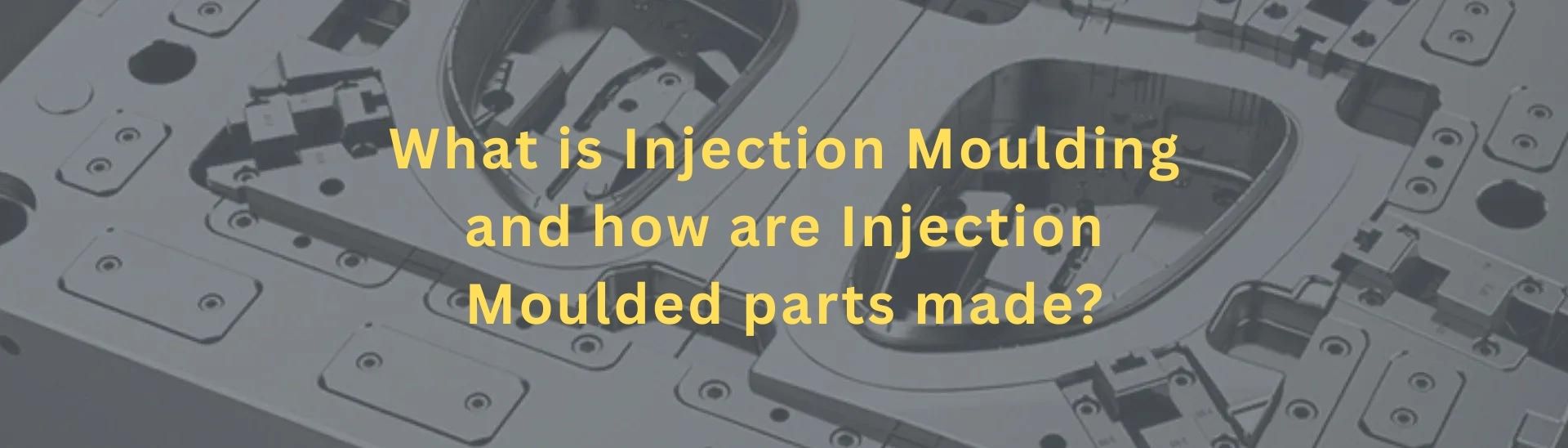
Injection Moulding is a manufacturing process used to produce parts by injecting molten material (often plastic) into a mold. It’s one of the most common and efficient methods used in industries to create high-volume, precise, and intricate components. Here's a breakdown of how it works:
How Injection Moulding Works:
1. Material Preparation:The raw material (usually thermoplastics, but can also be thermosetting plastics, metals, or elastomers) comes in the form of pellets, granules, or powders.
The materials are loaded into a hopper that directs them into a heated chamber.
2. Melting and Injection: Inside the barrel, a screw or plunger system heats the plastic pellets until they melt into a molten state
Once the material reaches the proper temperature, the screw or plunger pushes the molten plastic through a nozzle and into a mold cavity.
3. Molding: The mold consists of two halves (a core and a cavity) that form the shape of the part.
As the molten material enters the mold, it fills the cavity and takes on its shape.
The mold is kept under pressure to ensure the material fills every part of the cavity and takes its shape.
4. Cooling and Solidification: After injection, the molten plastic begins to cool and solidify within the mold. The cooling time depends on factors like the material, part size, and thickness.
Cooling channels inside the mold help speed up this process.
5. Ejection: Once the material has cooled and solidified, the mold opens, and the part is ejected. A molded part is typically removed from the cavity using an ejector pin.
If necessary, the part undergoes secondary processes like trimming or inspection to remove excess material or to ensure quality.
Steps Involved in Making Injection Moulded Parts:
1. Design and Mold Creation:The process starts with designing the part and creating a mold, which is typically made of steel or aluminum.
The mold design must account for factors like cooling efficiency, ease of part ejection, and the material’s behavior during injection.
2. Injection:The molten material is injected into the mold under high pressure, filling the cavity completely.
3. Cooling:The injected material cools and solidifies to take the form of the part. The cooling process must be optimized to avoid defects like warping or internal stresses.
4. Ejection:Once cooled, the mold is opened, and the part is ejected using pins or slides.
5. Post-Processing (if needed):Once cooled, the mold is opened, and the part is ejected using pins or slides. Certain components may require additional finishing, like removing flash, applying paint or coatings, or assembling parts:
High Production Speed:Ideal for mass production, as it can produce large quantities of identical parts quickly.
Precision:Can produce parts with very tight tolerances and high detail.
Material Versatility:A wide range of materials can be used, including plastics, metals, and even rubber.
Low Waste:The process is efficient, and excess material can usually be recycled.