
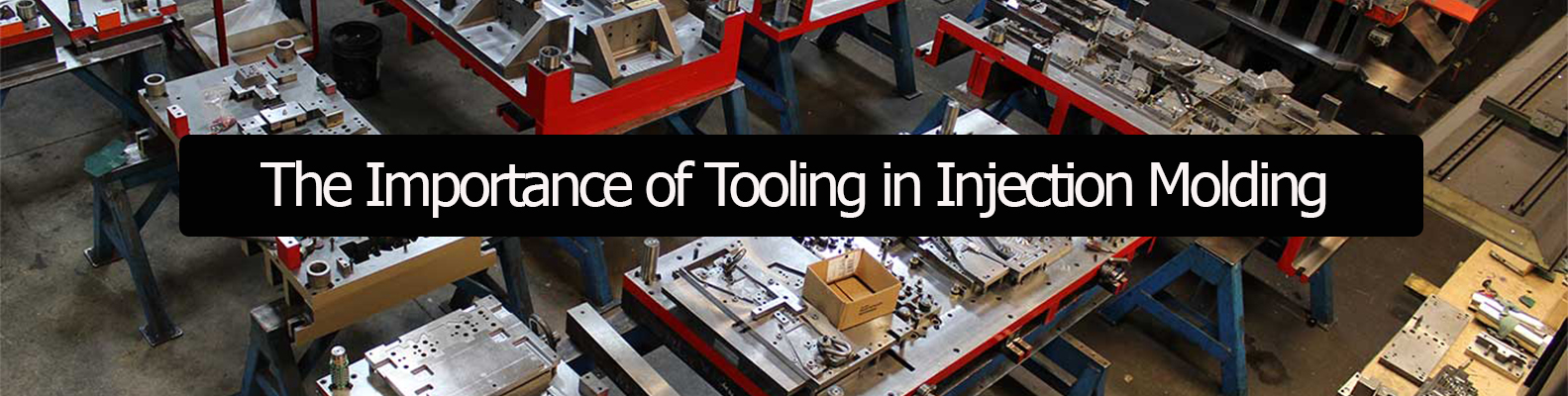
Tooling, often referred to as mold making, is a critical aspect of the injection molding process. It involves creating the molds that shape molten materials into desired parts. The quality and precision of these tools directly impact the efficiency, cost, and quality of the final product. Here’s why tooling is crucial in the injection molding process:
Precision and Quality
The precision of the tooling process is paramount. High-quality molds ensure that parts are produced with exact dimensions and tight tolerances. This precision is essential for components that must fit together seamlessly or adhere to strict regulatory standards. Poor tooling can lead to defects such as warping, sink marks, or incomplete filling, which compromise the integrity and functionality of the part. Therefore, investing in high-quality tooling is essential to maintain the consistency and reliability of the final products.
Cost-Effectiveness
Although the initial expense of tooling can be substantial, it proves to be a valuable investment that yields long-term benefits. High-quality molds can produce thousands or even millions of parts before needing replacement. This longevity reduces the overall cost per part, making the process more cost-effective over time. Conversely, poor-quality molds may wear out quickly, leading to frequent replacements and increased production costs. Additionally, precise molds reduce material waste and minimize the need for rework or scrap, further enhancing cost efficiency.
Efficiency and Production Speed
Tooling plays a vital role in the efficiency and speed of the injection molding process. Well-designed molds facilitate faster cycle times by ensuring quick and even cooling of the material. Rapid cooling is crucial for sustaining high production rates. Efficient tooling also allows for the automation of the injection molding process, reducing the need for manual intervention and increasing overall productivity. The ability to produce high volumes of parts quickly and accurately is a significant advantage in industries that require large-scale production.
Design Flexibility
High-quality tooling provides greater design flexibility. Advanced tooling techniques allow for the creation of complex geometries and intricate details that would be difficult or impossible to achieve with other manufacturing methods. Features such as undercuts, threads, and fine textures can be incorporated directly into the mold, eliminating the need for secondary operations. This capability opens up new possibilities for product innovation and customization, enabling manufacturers to meet specific design requirements and market demands.Material Compatibility
The choice of materials used in tooling affects the compatibility with the molding materials. Different materials have varying thermal and mechanical properties, which influence the mold’s performance. For example, hardened steel molds are highly durable and can withstand the high pressures and temperatures of injection molding. In contrast, aluminum molds are less durable but are more cost-effective for short production runs. Choosing the right tooling material guarantees the mold's optimal performance and durability, along with the high quality of the molded parts.Sustainability
Tooling also has implications for sustainability in injection molding. High-quality, durable molds reduce the frequency of replacements, thereby conserving resources and reducing waste. Additionally, precise tooling minimizes material waste during production, contributing to more efficient use of raw materials. The ability to create complex, integrated parts with fewer manufacturing steps also reduces energy consumption and environmental impact. As industries increasingly prioritize sustainability, the role of tooling in achieving these goals becomes more significant.Conclusion
In the injection molding process, tooling is a critical factor that influences the quality, cost, efficiency, and sustainability of production. Investing in high-quality tooling is essential for achieving precise, reliable, and cost-effective manufacturing. As technology advances and the demand for complex, high-performance parts grows, the importance of tooling in injection molding will only continue to increase. Manufacturers who prioritize excellent tooling are better positioned to meet industry standards, drive innovation, and maintain a competitive edge in the market.